
The damage matrix
Every attack in the game has an attack type and every unit has an armor type. When a hit lands, the game multiplies the damage by the cell where the two meet. That single table is the heart of countering: the same army that shreds one composition can bounce off another.
Read it like this: find the attacker's row, the defender's column, and the number is the damage multiplier. Green cells deal extra damage, red cells are resisted, and 1.00 is neutral. Elemental damage and immunities stack on top of this as a separate axis.
 Chaosvs armor
- Divine
- 1.00
- Fortified
- 1.00
- Heavy
- 1.00
- Hero
- 1.00
- Light
- 1.00
- Medium
- 1.00
- Unarmored
- 1.00

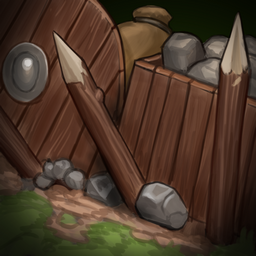
 Herovs armor
- Divine
- 0.50
- Fortified
- 0.50
- Heavy
- 1.00
- Hero
- 1.00
- Light
- 1.00
- Medium
- 1.00
- Unarmored
- 1.00
 Magicvs armor
- Divine
- 0.50
- Fortified
- 0.35
- Heavy
- 2.00
- Hero
- 0.50
- Light
- 1.25
- Medium
- 0.75
- Unarmored
- 1.00
 Normalvs armor
- Divine
- 0.20
- Fortified
- 0.70
- Heavy
- 1.00
- Hero
- 1.00
- Light
- 1.00
- Medium
- 1.50
- Unarmored
- 1.00
 Piercingvs armor
- Divine
- 0.20
- Fortified
- 0.35
- Heavy
- 0.90
- Hero
- 0.50
- Light
- 2.00
- Medium
- 0.75
- Unarmored
- 1.50
 Siegevs armor
- Divine
- 0.20
- Fortified
- 1.50
- Heavy
- 1.00
- Hero
- 0.50
- Light
- 1.00
- Medium
- 0.50
- Unarmored
- 1.50
 Spellsvs armor
- Divine
- 0.50
- Fortified
- 1.00
- Heavy
- 1.00
- Hero
- 0.70
- Light
- 1.00
- Medium
- 1.00
- Unarmored
- 1.00
How a hit is calculated
Every hit runs the same pipeline, in this exact order. Knowing the order matters: a bonus that applies early gets multiplied by everything after it, and a flat bonus that applies late ignores armor entirely.
- Immunity gates. An invulnerable target takes zero from anything. A target immune to the hit's element — any of the seven — takes zero from that element. Spell-immune targets take zero from the Spells attack type. If any gate triggers, the hit ends here with an IMMUNE popup.
- Base damage. The attacker's Damage stat, or the ability's own damage value for spells.
- Conditional bonuses. "+X% vs mounted" and "+X% vs heavy armor" passives multiply the base damage now, before the matrix. That means they scale with a good matchup instead of being a flat add-on.
- The matrix. Damage is multiplied by the cell above: attacker's attack type vs defender's armor type.
- Partial resistances. "Spell Resistant" and "Magic Resistant" passives cut the matching attack type in half (x0.5) here. This is the "50% damage reduction against spells" effect: it applies after the matrix and stacks with normal mitigation below.
- Armor or magic resist. Magic and Spells attacks are reduced by the target's Magic Resist percentage. Every other attack type is reduced by Armor using the formulas below.
- Flat riders. Armor-bypass bonuses (Flame Arrow, Shadow Arrows, the Elemental Infusions, Thorns reflect) are added after mitigation, so they always land at full value. If the target is immune to a rider's element, only that rider is removed; the base hit still lands.
- Amplifiers. Lightning damage against a Shocked target is multiplied by 1.25. A critical hit (Sniper headshot) doubles the final number last, so armor never shrinks the crit bonus separately.
- Shield, then health. The final number drains the target's Shield first; whatever remains comes out of Health.
The armor formula
Armor gives diminishing returns. Each point of positive armor is worth 6% before diminishing kicks in:
damage taken = 1 / (1 + Armor x 0.06)
Negative armor (from armor-shred effects) amplifies damage instead, on a curve that approaches but never exceeds double damage:
damage taken = 2 - 0.94^|Armor| (caps at 200%)
| Armor | Damage you take | Effect |
|---|---|---|
| 30 | 36% | 64% reduced |
| 20 | 45% | 55% reduced |
| 10 | 63% | 37% reduced |
| 5 | 77% | 23% reduced |
| 0 | 100% | neutral |
| -5 | 127% | 27% amplified |
| -10 | 146% | 46% amplified |
| -20 | 171% | 71% amplified |
One distinction matters here: armor type (the matrix column) and the Armor stat (the number) are two different things. Magic and Spells attacks use the matrix like everything else, so Magic vs Heavy still gets that cell's multiplier in full. What they skip is the Armor stat: in the mitigation step they are reduced by the target's Magic Resist instead of armor points. Magic Resist is a fraction, so 0.2 means 20% less magic damage.
Elements: the second axis
Separate from attack types, damage can carry an element: Fire, Ice, Poison, Shadow, Acid, Lightning, or Arcane. A fireball is both "Spells" on the matrix and "Fire" on the element axis at the same time. Elements do not change the damage math by themselves; they drive three other things:
- Immunities. Every element can be blocked outright: a fire-immune unit takes zero Fire damage, full stop. All seven have an immunity, Shadow and Acid included.
- Statuses. Ice applies Chilled, Poison applies Poisoned, Lightning applies Shocked. Immune targets cannot receive the matching status either.
- Interactions. Lightning damage hits Shocked targets 25% harder, and element-immune units counter same-element attackers completely.
Worked examples
50% damage reduction against spells. A caster hits a Spell Resistant unit with a 100 damage spell. The matrix cell for Spells vs that armor type is, say, 1.00, so the hit is still 100 after step 4. Spell Resistant halves it to 50. The target's 20% Magic Resist then takes it to 40. Armor is never consulted, because Spells damage is magical. Final hit: 40.
+50% damage to mounted units. A spearman with 40 damage and the anti-mounted passive hits a knight (Mounted, 10 armor). The bonus applies first: 40 x 1.5 = 60. The matrix multiplies next; with a 1.25 matchup that is 75. Then the knight's 10 armor reduces it to 63% of that: about 47. Because the bonus lands before the matrix, a green matchup multiplies the bonus too. The same passive on a bad matchup is worth much less.
How to use it
Scout what armor the enemy is massing, then build attackers whose row is green against it. Piercing punishes light armor but struggles into fortifications; siege cracks buildings and fortified lines; magic burns through heavy plate. When your waves suddenly stop trading well, the answer is usually on this table, not in your stat totals.
The other axis: elements
Everything above is a soft counter — even the worst cell on the matrix still trades, just badly. Elements are the exception, and they resolve on a separate axis from attack and armour type. A weakness makes a matchup half again as punishing; an immunity ends it outright, taking the damage to zero no matter what the matrix says.
| Element | Weak | Lesser | Standard | Greater | Immune |
|---|---|---|---|---|---|
 Acid |  +50%Acid Weakness  Animated ArmorInfantry · 450 HP · 10 DPS | −25%Lesser Acid Resistance— | −50%Acid Resistance Ooze KingInfantry · 325 HP · 28 DPS | −75%Greater Acid Resistance— | Immunetakes no damage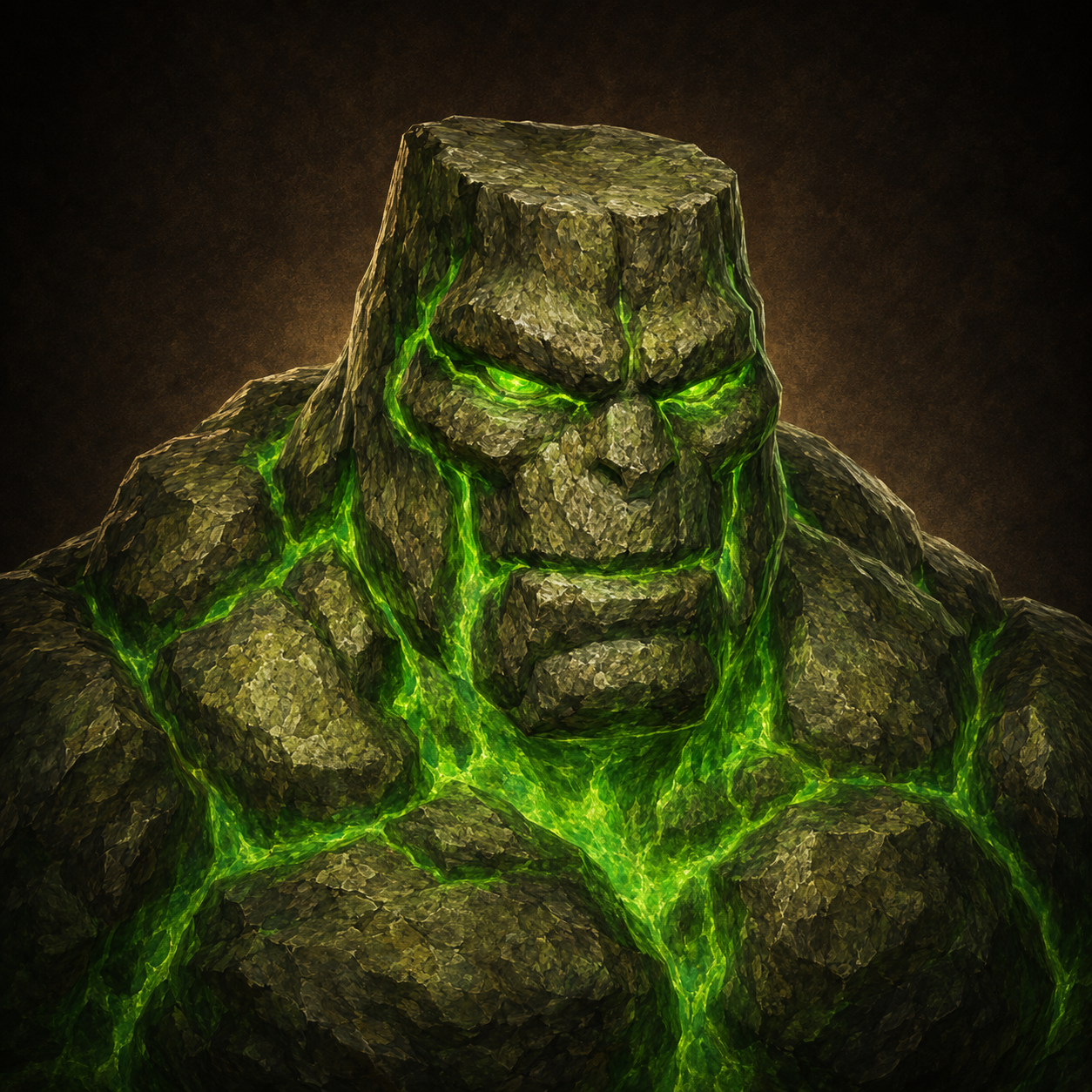 VitriolveinInfantry · 520 HP · 19.5 DPSDeals Acid damageImmune to Acid  Acidic OozeInfantry · 75 HP · 8 DPSDeals Acid damageImmune to AcidGreater Acidic OozeInfantry · 150 HP · 16 DPSDeals Acid damageImmune to Acid |
 Arcane |  +50%Arcane Weakness  Shadow MushroomInfantry · 180 HP · 20 DPS  Deals Shadow damage  ShadowmancerCaster · 350 HP · 20 DPSDeals Shadow damage  Shadow ArcherRanged · 250 HP · 25 DPS  Shadow OozeInfantry · 75 HP · 8 DPSDeals Shadow damageImmune to ShadowGreater Shadow OozeInfantry · 150 HP · 16 DPSDeals Shadow damageImmune to Shadow |  −25%Lesser Arcane Resistance— | −50%Arcane Resistance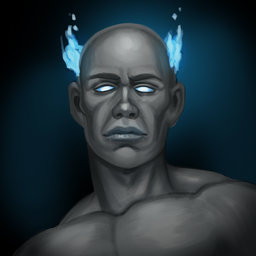 StarcallerCaster · 340 HP · 18 DPSDeals Arcane damageOoze KingInfantry · 325 HP · 28 DPS | −75%Greater Arcane Resistance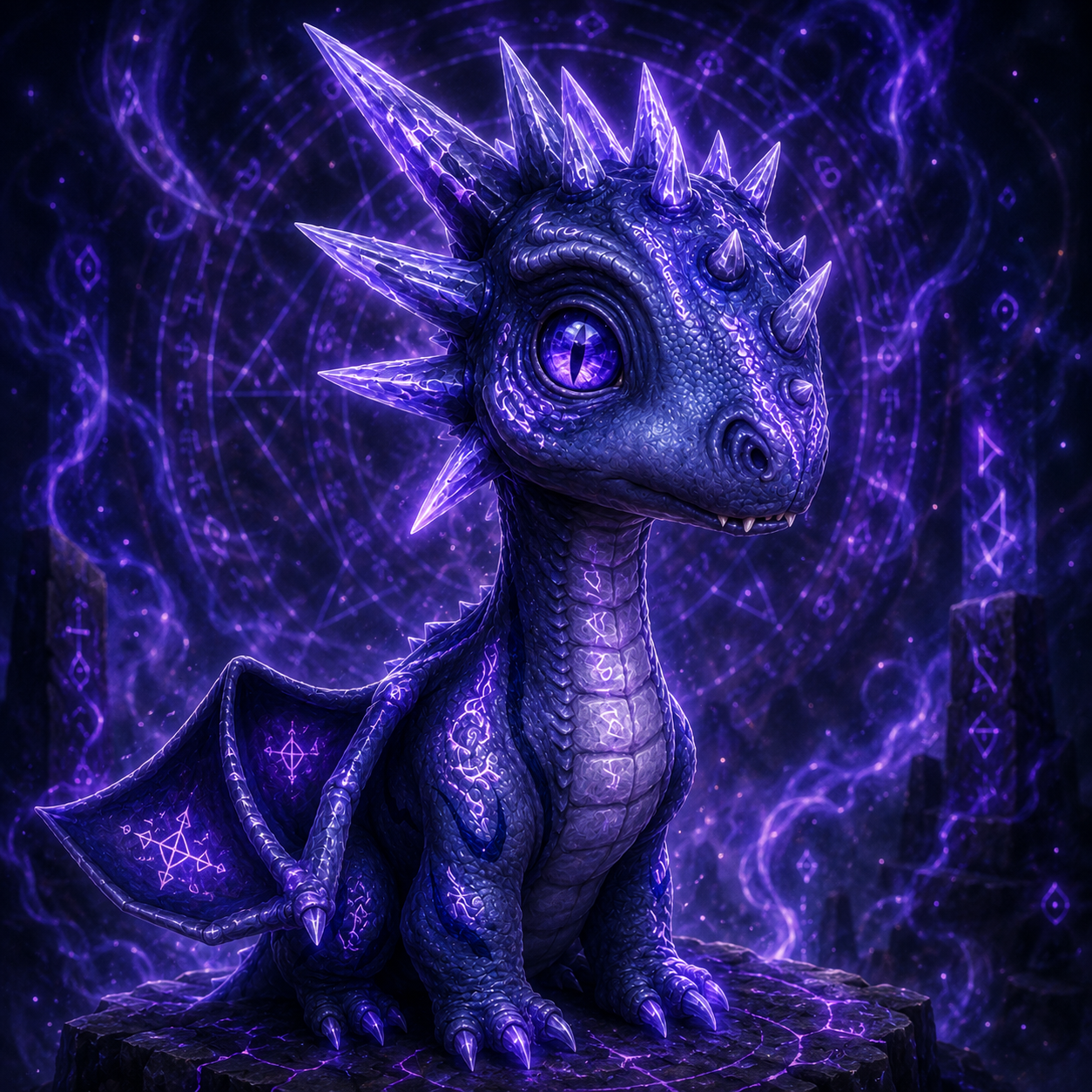 Baby Arcane DragonFlying · 600 HP · 28 DPSDeals Arcane damage | Immunetakes no damage Greater Arcane OozeInfantry · 125 HP · 15 DPSDeals Arcane damageImmune to ArcaneArcane OozeInfantry · 75 HP · 8 DPSDeals Arcane damageImmune to Arcane |
 Electric |  +50%Electric Weakness— |  −25%Lesser Electric Resistance  Storm MushroomInfantry · 650 HP · 23.8 DPSDeals Electric damage | −50%Electric ResistanceOoze KingInfantry · 325 HP · 28 DPS | −75%Greater Electric Resistance— | Immunetakes no damage Storm TotemSpecial · 10 HP · 3.2 DPSDeals Electric damageImmune to ElectricElectric OozeInfantry · 75 HP · 8 DPSDeals Electric damageImmune to ElectricGreater Electric OozeInfantry · 150 HP · 13.5 DPSDeals Electric damageImmune to Electric |
 Fire |  +50%Fire WeaknessIce MushroomInfantry · 650 HP · 15 DPS  Deals Ice damage  CryomancerCaster · 350 HP · 23.8 DPSDeals Ice damage  Ice ArcherRanged · 250 HP · 20 DPS  VampireInfantry · 225 HP · 13.5 DPS  Vampire LordCavalry · 500 HP · 22 DPSLesser VampireInfantry · 90 HP · 8 DPS  Forest GuardianInfantry · 650 HP · 31.5 DPS  Forest SpiritInfantry · 225 HP · 24.5 DPS  Icey OozeInfantry · 75 HP · 8 DPSDeals Ice damageImmune to IceGreater Icey OozeInfantry · 150 HP · 16 DPSDeals Ice damageImmune to Ice |  −25%Lesser Fire Resistance  Flame MushroomInfantry · 650 HP · 30 DPSDeals Fire damage  Fire ArcherRanged · 250 HP · 20 DPS | −50%Fire Resistance PyromancerCaster · 350 HP · 22 DPSDeals Fire damageOoze KingInfantry · 325 HP · 28 DPS | −75%Greater Fire Resistance Baby Fire DragonFlying · 600 HP · 28 DPSDeals Fire damage | Immunetakes no damage Fire OozeInfantry · 75 HP · 12 DPSDeals Fire damageImmune to Fire 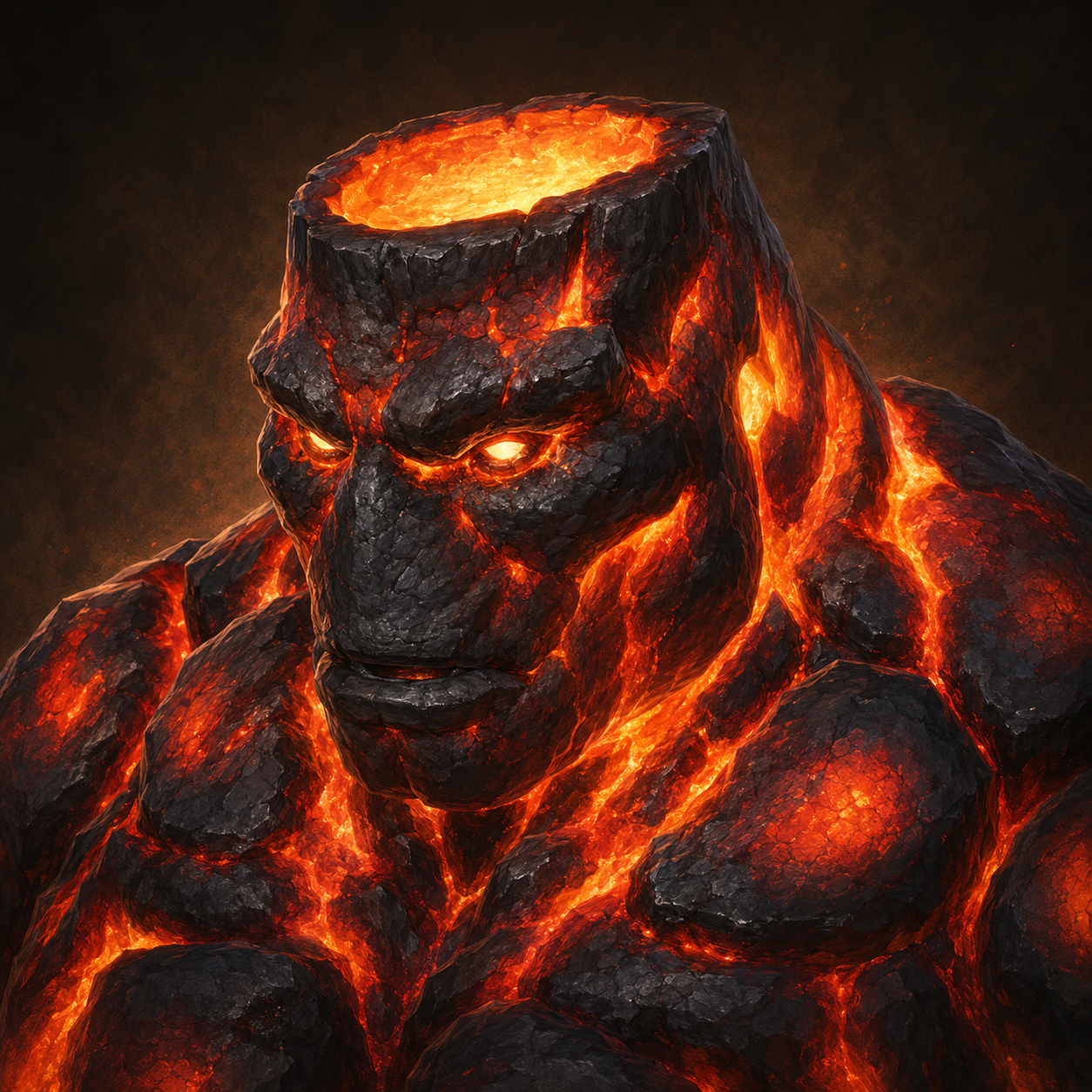 EmberveinInfantry · 520 HP · 19.5 DPSDeals Fire damageImmune to Fire  PyreweaverRanged · 440 HP · 21 DPSDeals Fire damageImmune to Fire  Flame TotemSpecial · 10 HP · 4 DPSDeals Fire damageImmune to FireGreater Fire OozeInfantry · 150 HP · 22 DPSDeals Fire damageImmune to Fire |
| Ice |  +50%Ice WeaknessFlame MushroomInfantry · 650 HP · 30 DPSDeals Fire damagePyromancerCaster · 350 HP · 22 DPSDeals Fire damageFire ArcherRanged · 250 HP · 20 DPSFire OozeInfantry · 75 HP · 12 DPSDeals Fire damageImmune to FireGreater Fire OozeInfantry · 150 HP · 22 DPSDeals Fire damageImmune to Fire |  −25%Lesser Ice ResistanceIce MushroomInfantry · 650 HP · 15 DPSDeals Ice damageIce ArcherRanged · 250 HP · 20 DPS | −50%Ice ResistanceCryomancerCaster · 350 HP · 23.8 DPSDeals Ice damageOoze KingInfantry · 325 HP · 28 DPS Frost BearInfantry · 500 HP · 23 DPS | −75%Greater Ice Resistance Baby Ice DragonFlying · 600 HP · 28 DPSDeals Ice damage | Immunetakes no damage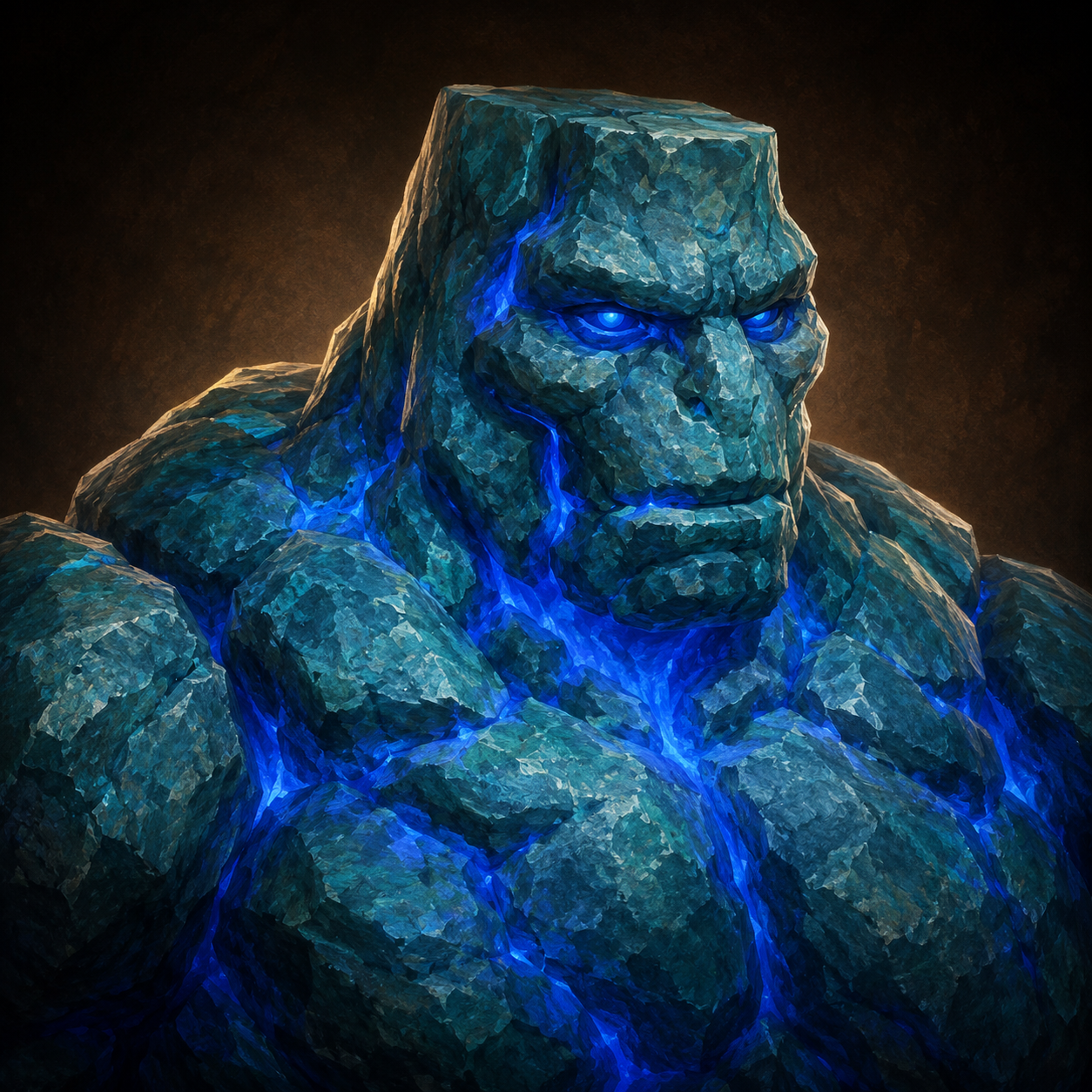 RimeveinInfantry · 520 HP · 19.5 DPSDeals Ice damageImmune to Ice  HoarweaverRanged · 440 HP · 19 DPSDeals Ice damageImmune to Ice  Ice TotemSpecial · 10 HP · 4 DPSDeals Ice damageImmune to IceIcey OozeInfantry · 75 HP · 8 DPSDeals Ice damageImmune to IceGreater Icey OozeInfantry · 150 HP · 16 DPSDeals Ice damageImmune to Ice |
 Poison |  +50%Poison Weakness— |  −25%Lesser Poison Resistance  Poison MushroomInfantry · 650 HP · 18 DPSDeals Poison damage  WitchdoctorCaster · 225 HP · 2.8 DPS  Poison ArcherRanged · 250 HP · 20 DPS | −50%Poison Resistance VenomancerCaster · 350 HP · 18 DPSDeals Poison damage  Green DragonFlying · 450 HP · 17.5 DPSOoze KingInfantry · 325 HP · 28 DPS | −75%Greater Poison Resistance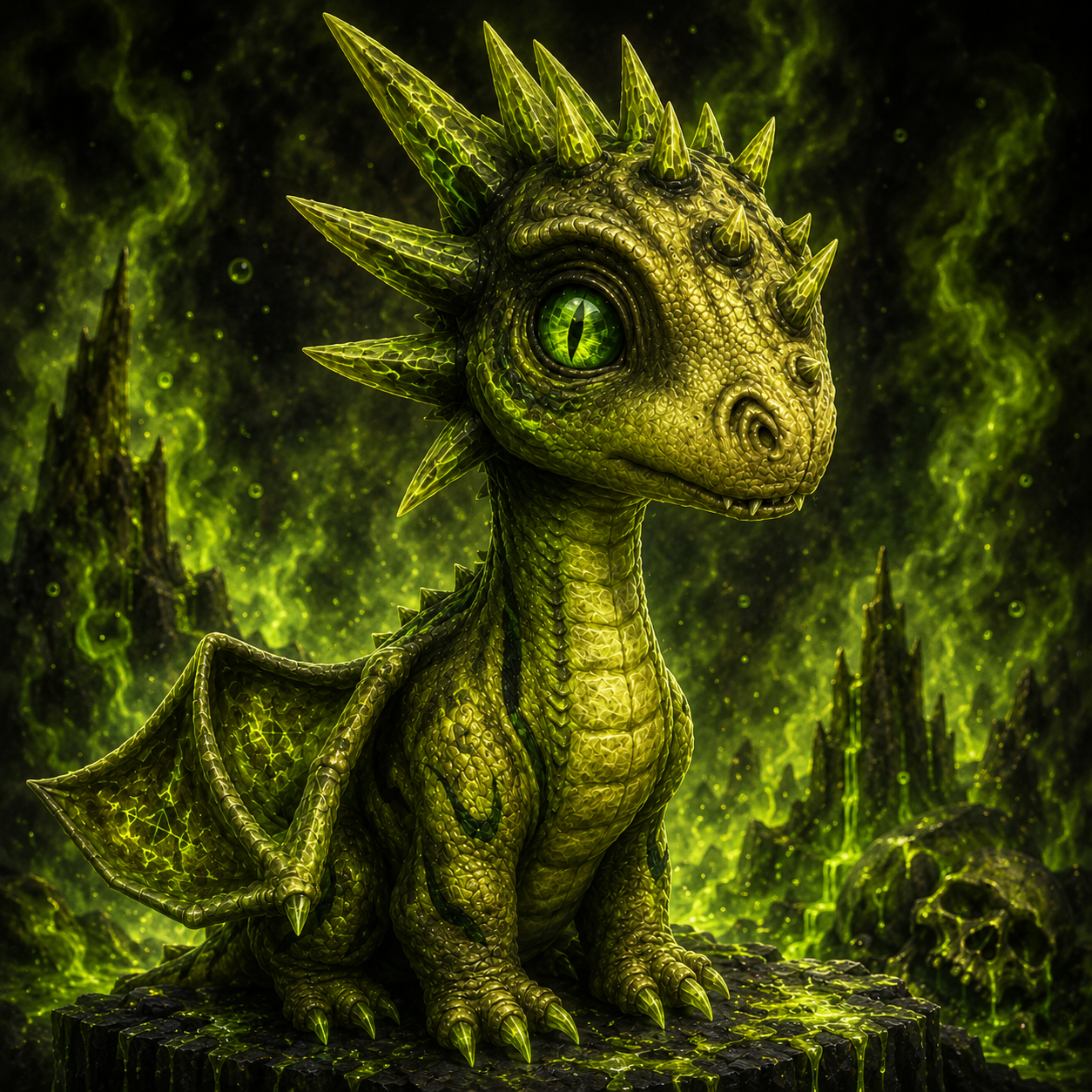 Baby Venom DragonFlying · 600 HP · 28 DPSDeals Poison damage | Immunetakes no damage Poison OozeInfantry · 75 HP · 8 DPSDeals Poison damageImmune to Poison  VenomweaverRanged · 440 HP · 19 DPSDeals Poison damageImmune to PoisonGreater Poison OozeInfantry · 150 HP · 16 DPSDeals Poison damageImmune to Poison |
| Shadow |  +50%Shadow Weakness  ArbiterCaster · 250 HP · 16.8 DPS  High PriestCaster · 300 HP · 19.2 DPS  PriestCaster · 130 HP · 9.6 DPS  PurifierCaster · 150 HP · 9 DPS  Arcane AssassinSpecial · 150 HP · 200 DPS  Arcane BladeInfantry · 250 HP · 19.5 DPS  Arcane WarriorInfantry · 400 HP · 39 DPSArcane OozeInfantry · 75 HP · 8 DPSDeals Arcane damageImmune to ArcaneGreater Arcane OozeInfantry · 125 HP · 15 DPSDeals Arcane damageImmune to Arcane |  −25%Lesser Shadow Resistance  ClericInfantry · 600 HP · 15 DPS  TemplarCaster · 700 HP · 20 DPSShadow MushroomInfantry · 180 HP · 20 DPSDeals Shadow damageShadow ArcherRanged · 250 HP · 25 DPS | −50%Shadow Resistance ExemplarCaster · 800 HP · 35 DPS  MoonlordInfantry · 500 HP · 32 DPSDeals Shadow damage  NightspinnerCaster · 340 HP · 15.3 DPSDeals Shadow damage  SunkillerCaster · 380 HP · 18 DPSDeals Shadow damage  VeilspinnerCaster · 260 HP · 12.6 DPSDeals Shadow damageShadowmancerCaster · 350 HP · 20 DPSDeals Shadow damageOoze KingInfantry · 325 HP · 28 DPS | −75%Greater Shadow Resistance Baby Shadow DragonFlying · 600 HP · 28 DPSDeals Shadow damage | Immunetakes no damage Rift GolemSpecial · 1400 HP · 36 DPSDeals Shadow damageImmune to ShadowShadow OozeInfantry · 75 HP · 8 DPSDeals Shadow damageImmune to ShadowGreater Shadow OozeInfantry · 150 HP · 16 DPSDeals Shadow damageImmune to Shadow |
Acid- Weak
- +50%Animated ArmorInfantry · 450 HP · 10 DPS
- Lesser
- −25%
- Standard
- −50%Ooze KingInfantry · 325 HP · 28 DPS
- Greater
- −75%
- Immune
- ImmuneVitriolveinInfantry · 520 HP · 19.5 DPSDeals Acid damageImmune to AcidAcidic OozeInfantry · 75 HP · 8 DPSDeals Acid damageImmune to AcidGreater Acidic OozeInfantry · 150 HP · 16 DPSDeals Acid damageImmune to Acid
Arcane- Weak
- +50%Shadow MushroomInfantry · 180 HP · 20 DPSDeals Shadow damageShadowmancerCaster · 350 HP · 20 DPSDeals Shadow damageShadow ArcherRanged · 250 HP · 25 DPSShadow OozeInfantry · 75 HP · 8 DPSDeals Shadow damageImmune to ShadowGreater Shadow OozeInfantry · 150 HP · 16 DPSDeals Shadow damageImmune to Shadow
- Lesser
- −25%
- Standard
- −50%StarcallerCaster · 340 HP · 18 DPSDeals Arcane damageOoze KingInfantry · 325 HP · 28 DPS
- Greater
- −75%Baby Arcane DragonFlying · 600 HP · 28 DPSDeals Arcane damage
- Immune
- ImmuneGreater Arcane OozeInfantry · 125 HP · 15 DPSDeals Arcane damageImmune to ArcaneArcane OozeInfantry · 75 HP · 8 DPSDeals Arcane damageImmune to Arcane
Electric- Weak
- +50%
- Lesser
- −25%Storm MushroomInfantry · 650 HP · 23.8 DPSDeals Electric damage
- Standard
- −50%Ooze KingInfantry · 325 HP · 28 DPS
- Greater
- −75%
- Immune
- ImmuneStorm TotemSpecial · 10 HP · 3.2 DPSDeals Electric damageImmune to ElectricElectric OozeInfantry · 75 HP · 8 DPSDeals Electric damageImmune to ElectricGreater Electric OozeInfantry · 150 HP · 13.5 DPSDeals Electric damageImmune to Electric
Fire- Weak
- +50%Ice MushroomInfantry · 650 HP · 15 DPSDeals Ice damageCryomancerCaster · 350 HP · 23.8 DPSDeals Ice damageIce ArcherRanged · 250 HP · 20 DPSVampireInfantry · 225 HP · 13.5 DPSVampire LordCavalry · 500 HP · 22 DPSLesser VampireInfantry · 90 HP · 8 DPSForest GuardianInfantry · 650 HP · 31.5 DPSForest SpiritInfantry · 225 HP · 24.5 DPSIcey OozeInfantry · 75 HP · 8 DPSDeals Ice damageImmune to IceGreater Icey OozeInfantry · 150 HP · 16 DPSDeals Ice damageImmune to Ice
- Lesser
- −25%Flame MushroomInfantry · 650 HP · 30 DPSDeals Fire damageFire ArcherRanged · 250 HP · 20 DPS
- Standard
- −50%PyromancerCaster · 350 HP · 22 DPSDeals Fire damageOoze KingInfantry · 325 HP · 28 DPS
- Greater
- −75%Baby Fire DragonFlying · 600 HP · 28 DPSDeals Fire damage
- Immune
- ImmuneFire OozeInfantry · 75 HP · 12 DPSDeals Fire damageImmune to FireEmberveinInfantry · 520 HP · 19.5 DPSDeals Fire damageImmune to FirePyreweaverRanged · 440 HP · 21 DPSDeals Fire damageImmune to FireFlame TotemSpecial · 10 HP · 4 DPSDeals Fire damageImmune to FireGreater Fire OozeInfantry · 150 HP · 22 DPSDeals Fire damageImmune to Fire
Ice- Weak
- +50%Flame MushroomInfantry · 650 HP · 30 DPSDeals Fire damagePyromancerCaster · 350 HP · 22 DPSDeals Fire damageFire ArcherRanged · 250 HP · 20 DPSFire OozeInfantry · 75 HP · 12 DPSDeals Fire damageImmune to FireGreater Fire OozeInfantry · 150 HP · 22 DPSDeals Fire damageImmune to Fire
- Lesser
- −25%Ice MushroomInfantry · 650 HP · 15 DPSDeals Ice damageIce ArcherRanged · 250 HP · 20 DPS
- Standard
- −50%CryomancerCaster · 350 HP · 23.8 DPSDeals Ice damageOoze KingInfantry · 325 HP · 28 DPSFrost BearInfantry · 500 HP · 23 DPS
- Greater
- −75%Baby Ice DragonFlying · 600 HP · 28 DPSDeals Ice damage
- Immune
- ImmuneRimeveinInfantry · 520 HP · 19.5 DPSDeals Ice damageImmune to IceHoarweaverRanged · 440 HP · 19 DPSDeals Ice damageImmune to IceIce TotemSpecial · 10 HP · 4 DPSDeals Ice damageImmune to IceIcey OozeInfantry · 75 HP · 8 DPSDeals Ice damageImmune to IceGreater Icey OozeInfantry · 150 HP · 16 DPSDeals Ice damageImmune to Ice
Poison- Weak
- +50%
- Lesser
- −25%Poison MushroomInfantry · 650 HP · 18 DPSDeals Poison damageWitchdoctorCaster · 225 HP · 2.8 DPSPoison ArcherRanged · 250 HP · 20 DPS
- Standard
- −50%VenomancerCaster · 350 HP · 18 DPSDeals Poison damageGreen DragonFlying · 450 HP · 17.5 DPSOoze KingInfantry · 325 HP · 28 DPS
- Greater
- −75%Baby Venom DragonFlying · 600 HP · 28 DPSDeals Poison damage
- Immune
- ImmunePoison OozeInfantry · 75 HP · 8 DPSDeals Poison damageImmune to PoisonVenomweaverRanged · 440 HP · 19 DPSDeals Poison damageImmune to PoisonGreater Poison OozeInfantry · 150 HP · 16 DPSDeals Poison damageImmune to Poison
Shadow- Weak
- +50%ArbiterCaster · 250 HP · 16.8 DPSHigh PriestCaster · 300 HP · 19.2 DPSPriestCaster · 130 HP · 9.6 DPSPurifierCaster · 150 HP · 9 DPSArcane AssassinSpecial · 150 HP · 200 DPSArcane BladeInfantry · 250 HP · 19.5 DPSArcane WarriorInfantry · 400 HP · 39 DPSArcane OozeInfantry · 75 HP · 8 DPSDeals Arcane damageImmune to ArcaneGreater Arcane OozeInfantry · 125 HP · 15 DPSDeals Arcane damageImmune to Arcane
- Lesser
- −25%ClericInfantry · 600 HP · 15 DPSTemplarCaster · 700 HP · 20 DPSShadow MushroomInfantry · 180 HP · 20 DPSDeals Shadow damageShadow ArcherRanged · 250 HP · 25 DPS
- Standard
- −50%ExemplarCaster · 800 HP · 35 DPSMoonlordInfantry · 500 HP · 32 DPSDeals Shadow damageNightspinnerCaster · 340 HP · 15.3 DPSDeals Shadow damageSunkillerCaster · 380 HP · 18 DPSDeals Shadow damageVeilspinnerCaster · 260 HP · 12.6 DPSDeals Shadow damageShadowmancerCaster · 350 HP · 20 DPSDeals Shadow damageOoze KingInfantry · 325 HP · 28 DPS
- Greater
- −75%Baby Shadow DragonFlying · 600 HP · 28 DPSDeals Shadow damage
- Immune
- ImmuneRift GolemSpecial · 1400 HP · 36 DPSDeals Shadow damageImmune to ShadowShadow OozeInfantry · 75 HP · 8 DPSDeals Shadow damageImmune to ShadowGreater Shadow OozeInfantry · 150 HP · 16 DPSDeals Shadow damageImmune to Shadow
Weaknesses are untiered: every one is the same +50%.